

You're standing in front of your closet, deciding whether the hoodie you're about to buy will work with your wardrobe or just look good in a product photo. The fit seems oversized, the fabric looks substantial, and the embroidered detail catches your eye. Then the questions start: will the shoulders swallow you, will the fleece feel too warm, and will the design still look sharp after regular washing?
That's the core streetwear hoodie decision. The strongest piece isn't the heaviest or loudest option. It's the one that balances silhouette, fabric weight, decoration, durability, and personal style. New York attitude helps, but good garment judgment matters more.
Table of Contents
- The Cultural Evolution of Streetwear Hoodies
- Understanding Fabric Weight and Silhouette
- Sizing and Fit for Every Body Type
- Choosing Between Embroidery and Print
- Sustainability Meets Streetwear Durability
- Building a Core Collection with DM FlexWear
- Frequently Asked Questions About Streetwear Hoodies
The Cultural Evolution of Streetwear Hoodies
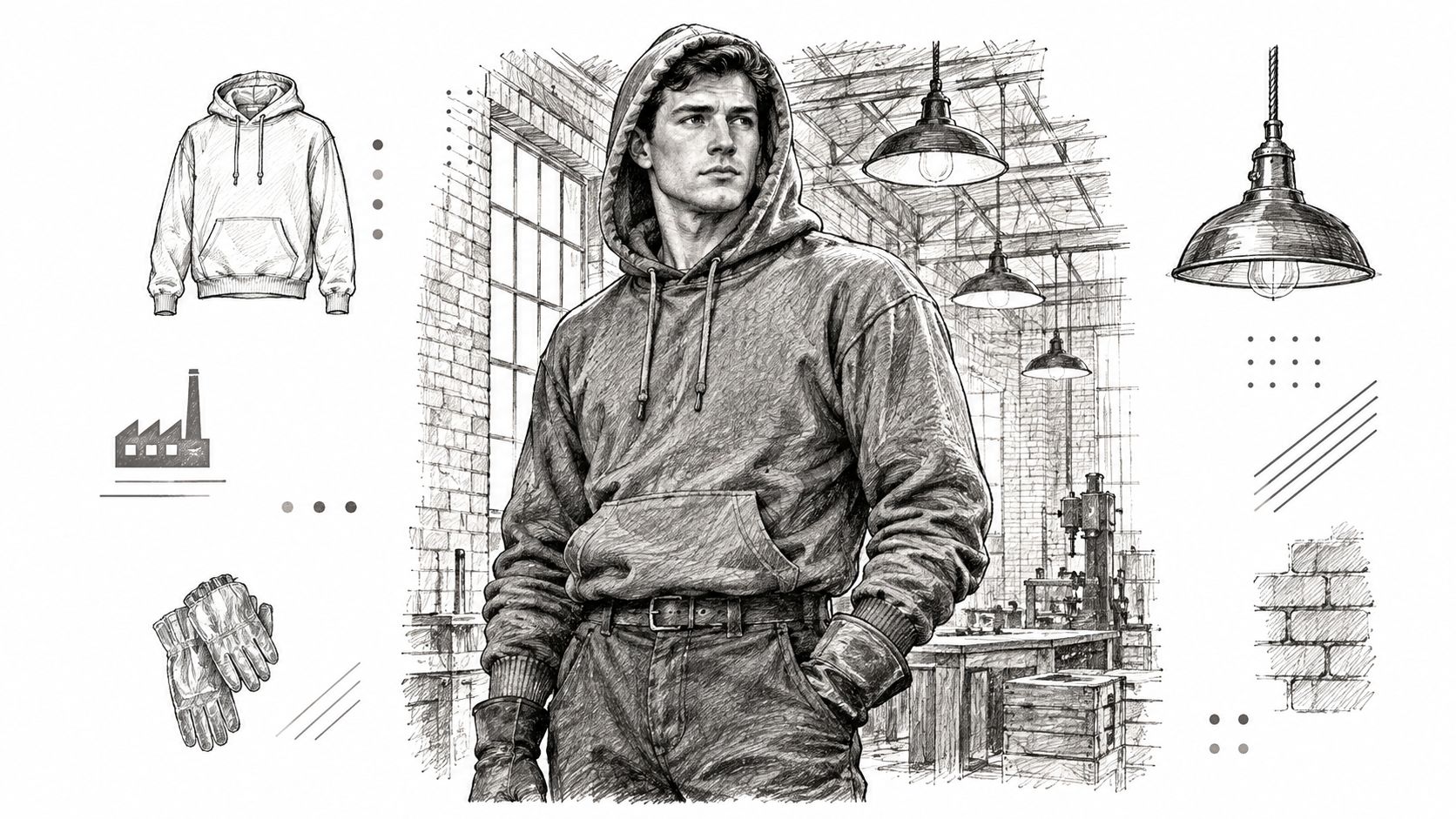
The hoodie earned its place before it ever became a fashion statement. In the 1930s, Champion's predecessor, the Knickerbocker Knitting Company, created a hooded sweatshirt for workers in cold New York warehouses. The hood served a practical purpose, giving laborers extra protection while they worked around industrial spaces.
That origin still shows up in the best streetwear hoodies today. A good one feels useful before it feels fashionable. It gives you warmth, covers the head, layers easily, and creates a strong visual frame around the face. The difference is that street culture took that functional base and gave it attitude.
From utility to identity
By the 1970s, the hoodie had moved beyond workwear into broader popularity. During the 1980s and 1990s, youth culture firmly recast it as streetwear, connecting the garment with sport, music, skateboarding, and urban style. That shift mattered because the hoodie stopped being just an item you wore for warmth. It became a way to control how visible, relaxed, or imposing you wanted to look.
New York gave the garment a particularly strong vocabulary. A clean hoodie under a structured coat can feel sharp and deliberate. A boxy heavyweight version with wide trousers speaks a different language, one rooted in movement and proportion rather than polish. Both approaches work because the hoodie can carry function and symbolism at the same time.
The practical lesson: a streetwear hoodie works best when its design still respects its original job. Comfort and protection create the foundation. Branding and silhouette add the point of view.
The word hoodie entered the Oxford English Dictionary in 2006, a linguistic milestone documented in the hoodie's cultural history. That recognition reflects how firmly the garment had entered everyday fashion language. Streetwear hoodies aren't a passing novelty because they combine workwear function, sports heritage, and urban styling in one dependable product.
Understanding Fabric Weight and Silhouette
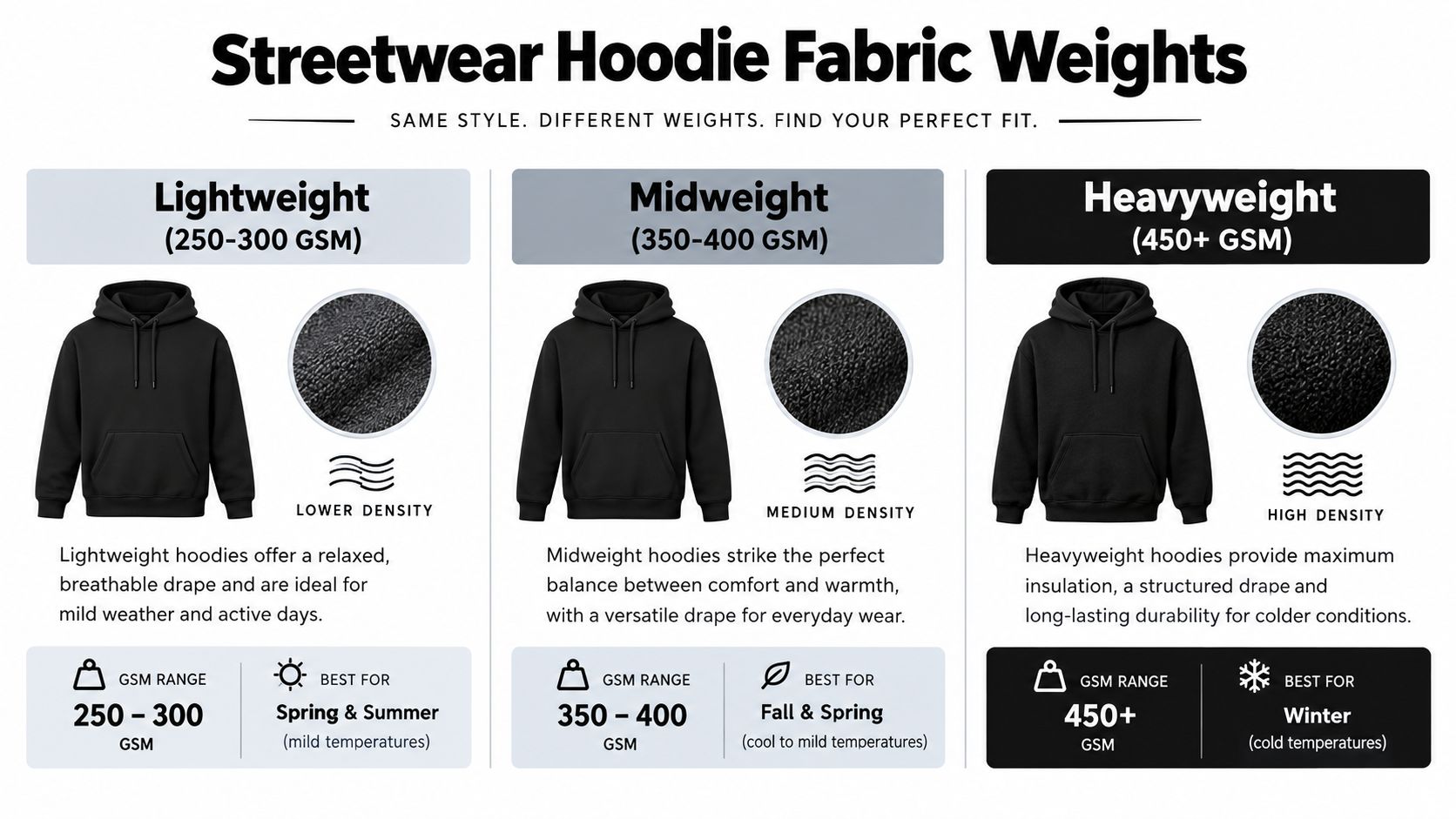
Step into a New York showroom and a daily subway commute, and the same hoodie has to do two jobs. It needs enough structure to read as intentional beside tailored outerwear, yet enough comfort for regular wear. GSM, or grams per square metre, offers a useful starting point. Heavyweight streetwear hoodies typically sit around 330–500 GSM, according to this fabric guide. GSM does not define quality on its own, but it helps explain how a garment may sit and move.
A denser knit usually traps more air, adds warmth, and resists deformation better than a lighter hoodie. That structure supports a boxier outline instead of letting the torso collapse inward. It also gives the fabric a substantial hand feel, one reason heavyweight fleece often reads as premium.
What weight changes in practice
A lightweight hoodie works across changing temperatures. It slips under a jacket with less resistance and often feels more breathable during active days. Midweight fleece balances movement with body, while heavyweight construction creates the firm shoulder, deep body, and pronounced drape associated with premium streetwear.
The trade-off is bulk. Higher GSM can improve structure and insulation, but it may reduce breathability in warm weather. A heavy hoodie also needs space in the outer layer. Pairing it with a narrow jacket can compress the sleeves and distort the silhouette.
| Fabric choice | Main strength | Main compromise |
|---|---|---|
| Lightweight knit | Easier layering and airflow | Less structure |
| Midweight fleece | Balanced comfort and shape | Moderate warmth |
| Heavyweight fleece | Strong drape, insulation, and presence | More bulk and reduced breathability |
A hoodie in the 330–500 GSM range will generally hold a boxier shape and sag less through repeated wear. That does not make heavier automatically better. It signals a different design priority, built around warmth, structure, and visual weight.
Fit psychology matters here. A heavyweight body with dropped shoulders can make the wearer look broader and more grounded, while a lighter, closer cut keeps the outfit sharper and easier to layer. High-fashion credibility often comes from that controlled proportion, not from maximum fabric weight.
Fit check: if you want the hoodie to stand away from your torso, assess GSM alongside shoulder construction, ribbing, and the cut. Weight alone cannot create a strong silhouette.
For a closer look at construction and styling decisions, explore premium hoodies. Ask where and how you will wear the piece before choosing how heavy it should be.
Sizing and Fit for Every Body Type
Online hoodie shopping goes wrong when people choose a label instead of a measurement. A medium from one brand can fit like a small, relaxed large, or cropped box depending on the pattern. Unisex streetwear sizing makes this more important because the same garment may need to work across different chest widths, heights, shoulder shapes, and layering habits.
Start with a hoodie you already like. Lay it flat and measure the chest from one armpit to the other, the body length from the highest shoulder point to the hem, and the sleeve from shoulder seam to cuff. Compare those garment measurements with the product chart, not just your usual letter size.
Choose the silhouette first
A relaxed fit gives you room without dramatically changing your proportions. It suits buyers who want a daily layer over a tee or thin shirt. An oversized fit adds width and length, often with dropped shoulders and fuller sleeves. It works well with loose trousers, but it can look accidental when the rest of the outfit stays narrow.
A boxy fit is different from buying a larger size. It usually has a shorter, wider body, which creates shape through proportion rather than extra length. That makes it useful for shorter wearers who want volume without a hoodie falling too far below the hips.
Use this decision guide:
- For clean everyday layering, choose your regular size in a relaxed cut. Check that the shoulder seam sits naturally and that the cuff doesn't cover your hand.
- For a deliberate oversized look, compare chest and length measurements before sizing up. More width may be right, but excessive length can shorten the appearance of your legs.
- For broad chests or muscular shoulders, prioritize the garment's chest and shoulder measurements. A longer sleeve is easier to manage than fabric pulling across the upper body.
- For slimmer frames, choose structure carefully. A heavyweight hoodie can add presence, but too much width without balance may overwhelm the outfit.
- For layering under outerwear, leave enough room for the hood and sleeves. A hoodie that fits perfectly over a tee may feel restrictive under a coat.
Read the chart like a stylist
Try to decide how you want the hoodie to sit at the hem. Around the hip creates a conventional streetwear proportion. A lower hem gives more coverage and a looser mood. If you're between sizes, use your layering plan as the tie-breaker rather than assuming bigger is automatically better.
The practical fit advice in this oversized hoodie guide is simple to apply: compare the garment with something already in your rotation. Your body doesn't need to match a model's proportions for the same silhouette to work. You just need the measurements to support the effect you want.
Choosing Between Embroidery and Print
Embroidery and print don't create the same kind of presence. Print sits on the surface and can deliver broad colour fields, photographic detail, fine lettering, and large graphic impact. Embroidery builds texture directly into the garment, giving a logo physical depth and a more tactile finish.
The best choice depends on the design and the fabric. Dense fleece gives stitches a stable base, while a light or loose knit can shift under needle tension. An industry guide notes that fabrics at 250+ GSM generally provide better stability for embroidery, although backing, hooping, and stitch density still affect the result, as detailed in this GSM embroidery guide.
Match the method to the artwork
Embroidery suits compact branding, crests, initials, and simple symbols. It feels especially strong on a left-chest mark or a restrained centre design. The raised surface catches light differently as you move, which gives a minimal hoodie more character without adding a loud graphic.
Print makes more sense for large artwork or designs that depend on gradients, intricate lines, or a soft hand feel. It can also preserve a lighter garment's flexibility. The risk is wear over time. Surface-applied graphics may crack or peel, while embroidery doesn't fail in that same way, as described in this comparison of embroidered and printed hoodies.
| Decoration | Best for | Watch out for |
|---|---|---|
| Embroidery | Crests, logos, compact branding | Puckering on unstable fabric |
| Screen print | Bold graphics and broad artwork | Cracking or peeling with wear |
| Detailed print | Fine illustration and colour variation | Less tactile depth |
Design rule: keep embroidery purposeful. A small, well-placed mark often looks more premium than a dense stitched graphic stretched across a soft, moving panel.
A heavyweight hoodie can support both methods, but they communicate different values. Embroidery says texture, restraint, and permanence. Print says graphic energy and visual range. Compare the finish, fabric, and artwork together in this guide to screen print versus embroidery, rather than judging the decoration in isolation.
Sustainability Meets Streetwear Durability
Sustainability in streetwear isn't only about the fibre listed on a product page. It also involves how often you replace a garment, how well it handles washing, and whether the design remains wearable after the trend cycle moves on. A hoodie that stays useful for years can make more sense than a cheaper piece that loses its shape quickly.
Consumer expectations are moving in that direction. One market report says 66% of Gen Z consumers actively look for environmental impact information before buying hoodies or sweatshirts, as reported in this hoodies market coverage. Another report cited in the same verified market context says 54% of millennial hoodie buyers in Western markets seek eco-credentials. These figures don't tell you that every heavyweight hoodie is sustainable. They show why brands and shoppers need to discuss durability and sourcing together.
Durability isn't the whole sustainability story
Heavier fabric can resist deformation and maintain its silhouette through regular use, but more material also means more weight in production and transport. The better decision depends on whether you need that extra structure. Buying a heavyweight hoodie for a cold climate or a hard-wearing daily rotation is easier to justify than choosing maximum GSM for a hot environment where you won't wear it often.
Decoration matters too. Embroidery can outlast surface graphics because stitches don't crack or peel in the same way. That advantage only helps if the base garment fits your life and the logo stays relevant. A durable hoodie that sits untouched in a wardrobe isn't a smart purchase.
Use a practical filter:
- Buy for repeat wear: Choose a weight and colour you can reach for regularly.
- Check construction: Look at fabric density, ribbing, seams, and the stability of the embroidered area.
- Think beyond the launch: Neutral shades and adaptable silhouettes usually survive more outfit changes than novelty cuts.
- Follow care instructions: Correct washing and drying protect both fleece shape and stitched decoration.
The strongest sustainability choice is often a hoodie you understand before buying. Select the weight you'll use, the fit you'll keep reaching for, and the decoration that matches your maintenance habits.
Building a Core Collection with DM FlexWear
A strong streetwear rotation starts with clear jobs for each piece: a dependable neutral, a confident colour, a colder-weather layer, and a fit that works with your existing trousers and outerwear. The NY Crown Crest collection from DM-Flexwear follows that approach with tees, hoodies, and crewneck sweatshirts.
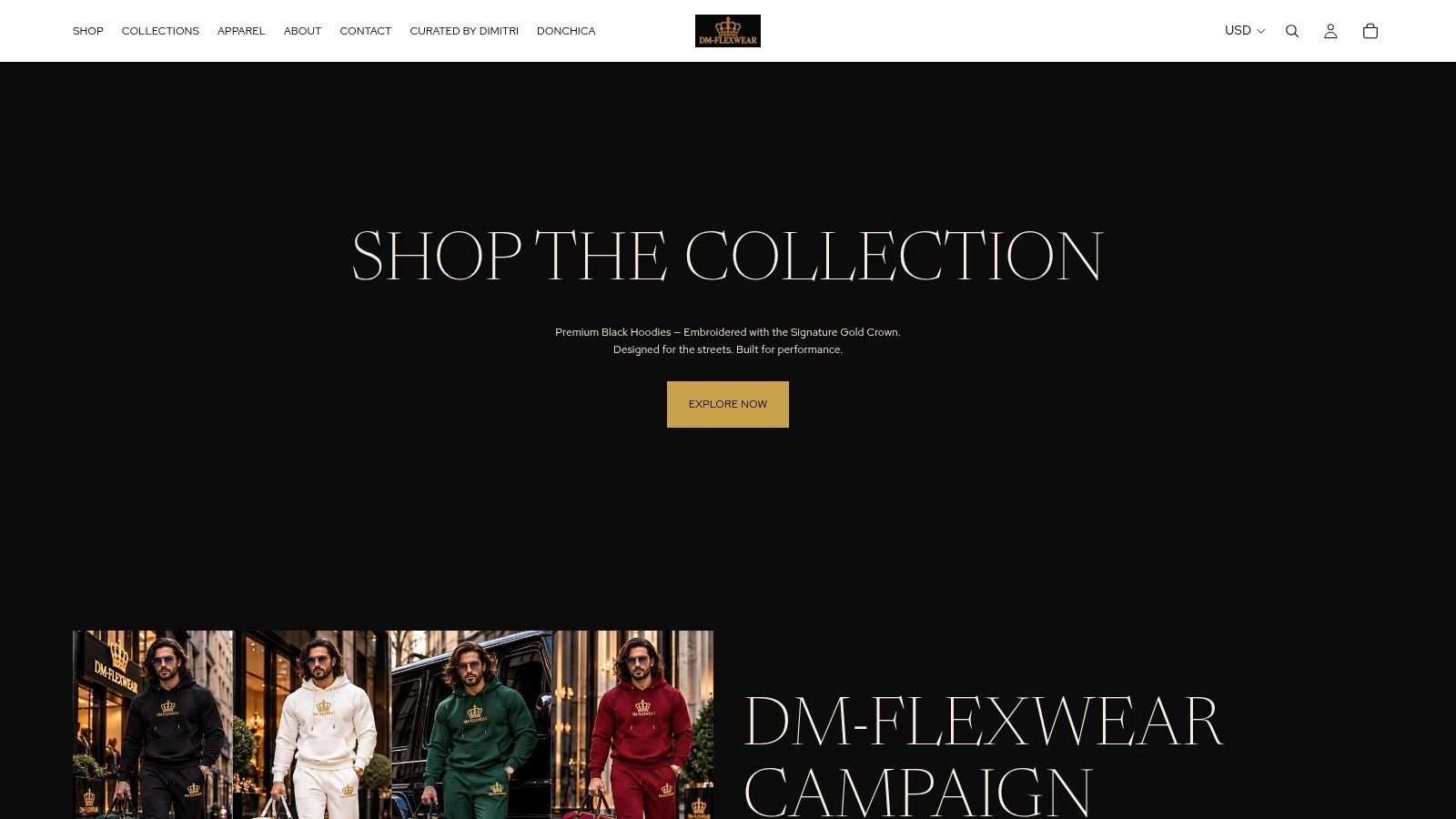
The NY Crown Crest Embroidered Hoodie comes in adult S–3XL and White, Black, Grey, Navy, and Pink. The shared crest keeps the collection coherent while colour changes the attitude. Black and Navy ground an outfit, Grey lowers the contrast, White gives it a sharper finish, and Pink makes the logo more expressive.
The adult range uses a unisex direction, so garment measurements and intended ease matter more than gender labels. A neutral hoodie with denim or cargos delivers a familiar city uniform. A brighter colour can lead the outfit, provided the remaining pieces stay controlled.
The NY Crown Crest identity also appears on crewnecks, tees, and baby garments. The range spans adult unisex S–3XL and infant/toddler 6M–4T, supporting coordinated family dressing across age groups. For shoppers, that breadth makes the collection easier to build around without forcing every outfit into the same silhouette.
A focused catalogue reduces seasonal noise and leaves more room to judge colour, fit, fabric weight, and decoration. It also shows the key trade-off between fashion credibility and daily wearability. A heavy hoodie can carry the presence associated with high-fashion street styling, while compact embroidery gives the crest texture without turning the garment into a full graphic statement.
The New York framing connects the range to the city's fashion identity and to the runway credibility associated with New York Fashion Week. That reference works best when the garment still fits ordinary routines, from a quick layered outfit to a repeat weekend uniform. The collection's privacy information is available through the official Shopify privacy page, while broader apparel and retail privacy context appears in this apparel privacy and retail reference.
See the collection in motion before deciding how it fits your rotation.
Frequently Asked Questions About Streetwear Hoodies
How should I wash an embroidered hoodie?
Turn it inside out, use a gentle cycle, and follow the garment's care label. Avoid harsh heat, which can affect fleece shape and place unnecessary stress on the stitched area. Let the hoodie dry in a way that preserves its structure rather than forcing it through aggressive heat.
How can I wear a heavyweight hoodie without looking bulky?
Balance volume instead of matching it everywhere. Try a heavyweight hoodie with straight-leg trousers, relaxed denim, or a clean outer layer that has enough room for the sleeves and hood. If the hoodie is very wide, keep at least one other part of the outfit visually controlled.
Why do New York themes work so well in streetwear?
New York connects workwear history, sport, music, art, and runway culture in one place. A crest, borough reference, or city-coded graphic can feel familiar without copying a short-lived trend. The best designs use that identity with restraint, giving the garment a point of view while keeping it wearable.
Should I choose embroidery or print?
Choose embroidery for compact logos and a textured finish on stable fabric. Choose print when the design depends on scale, fine detail, or broad colour. The right answer comes from the artwork and hoodie construction together.
Build your rotation around fit first, then choose the weight and decoration that match how you live. DM-Flexwear.com offers NY Crown Crest hoodies, tees, and crewneck sweatshirts in coordinated adult and children's styles, with embroidered options and versatile colourways. Visit DM-Flexwear.com to find a New York-rooted staple that earns regular wear.